

 free shipping on purchases over R500
Colic is a condition that is very common in babies, but that doesn’t change how impactful it can be.
While not dangerous for baby, the unrest and upset it causes both baby and parent is something we at Tommee Tippee want to help with.
What is colic?
Colic is when a baby cries a lot but there’s no obvious cause. It usually starts when a baby is a few weeks old.
Frustratingly, the exact cause of colic in babies isn’t known, but it’s thought that it may be caused by digestive upsets like a build-up of gas due to:
- allergies
- intolerances
- baby’s digestive system not being fully developed
- an imbalance of gut bacteria
In some cases, it may also be caused by overstimulation as baby adjusts to the world and their nervous system develops.
How do I know if my infant has colic?
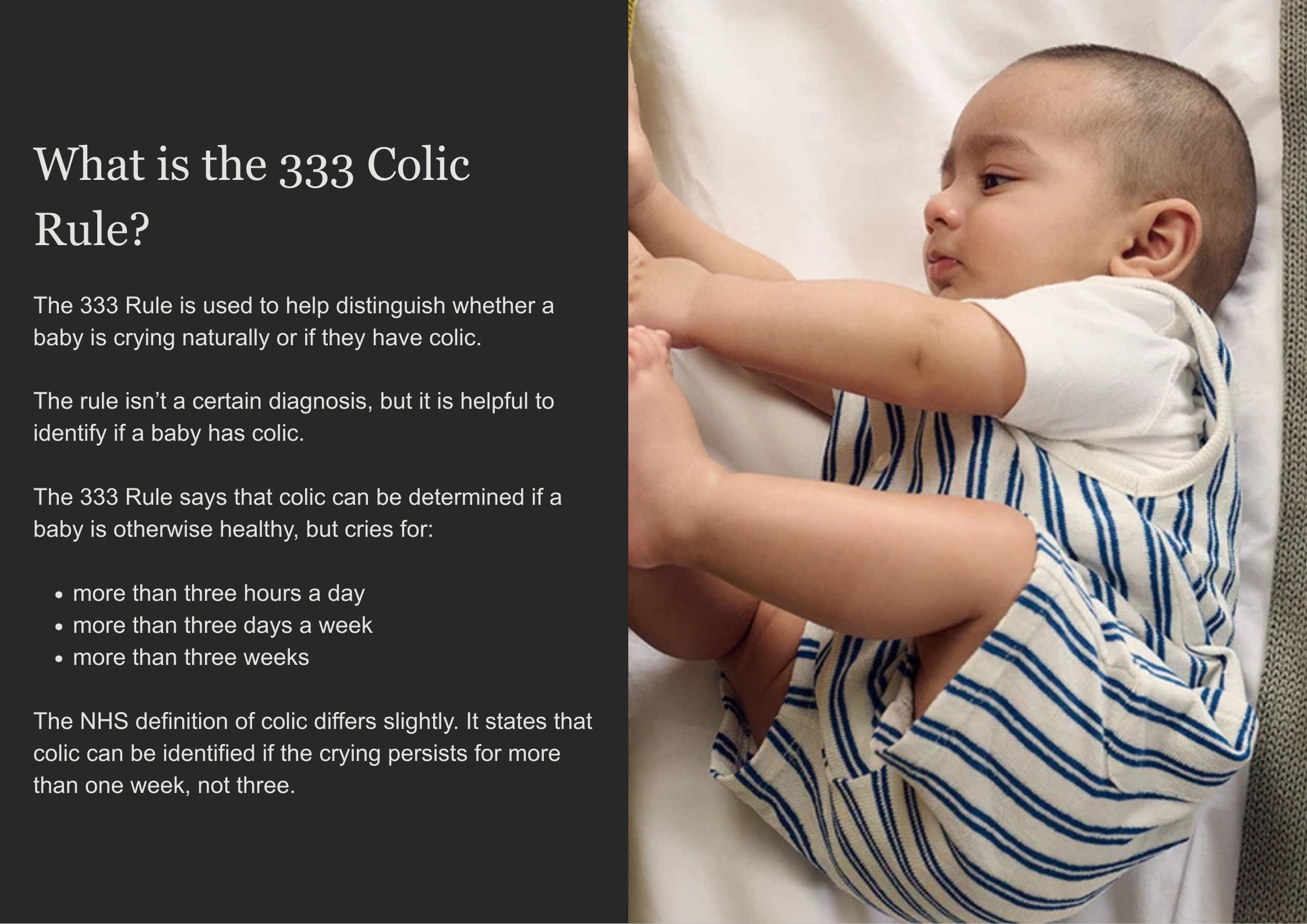
There are various signs of colic, but the 333 Rule is a simple way to distinguish between crying and colic.
You can also look for whether, while crying, your baby:
- is hard to soothe or settle
- clenches their fists
- goes red or flushed in the face
- brings their knees up to their tummy or arches their back
- is very windy and has a rumbling tummy
Your baby might not have colic – there are other reasons why your baby may be crying, such as:
- hunger
- dirty nappies
- wind
- reflux
- constipation
- allergies
If you’re not sure what’s wrong, it’s best to speak to your health visitor or see a GP to be sure.
How to soothe your baby with colic: Feeding
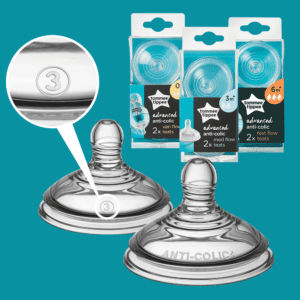
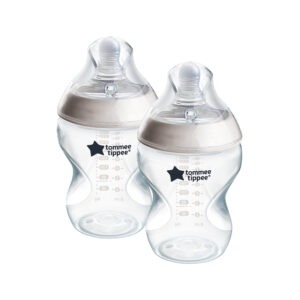
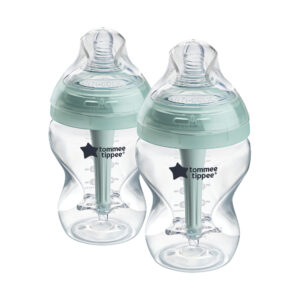
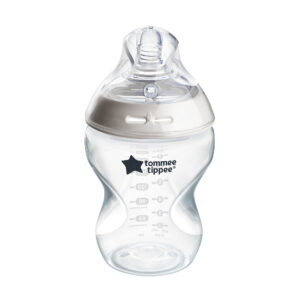
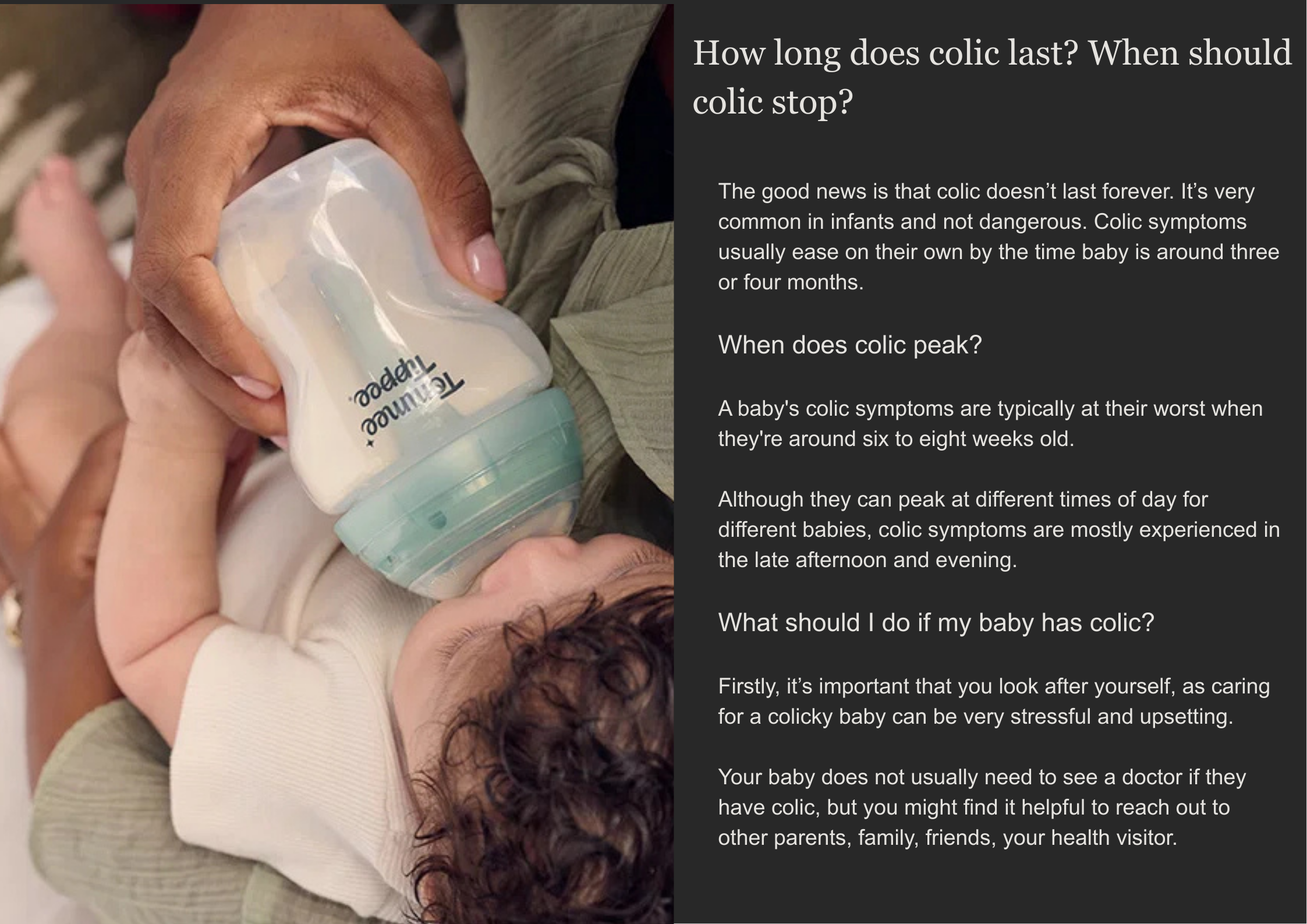
If your baby does have colic, continue to keep feeding your baby as usual. You do not need to make any changes to your diet if you’re breastfeeding, but you might want to adjust your feeding position or change your bottle or teat if you are bottle feeding.
Try sitting or holding your baby upright during feeding and tip the bottle high enough so that the milk fills the whole teat to stop them swallowing air and reduce the amount of gas in their tummy.

You can also adjust your breastfeeding position. The straddle hold, also known as upright breastfeeding or the koala hold, requires a baby to sit straddled on their parent’s thigh or hip, with their head upright as they breastfeed.
This position is suitable for babies of various ages (although younger babies will need plenty of head support).

You can also try winding them more often during feeds to help relieve trapped gas.
Although not specifically designed to help with colic, dummies (also known as pacifiers or soothers) can be soothing for colicky babies. They provide relief from crying through distraction and offer comfort due to the sucking motion.