free shipping on purchases over R500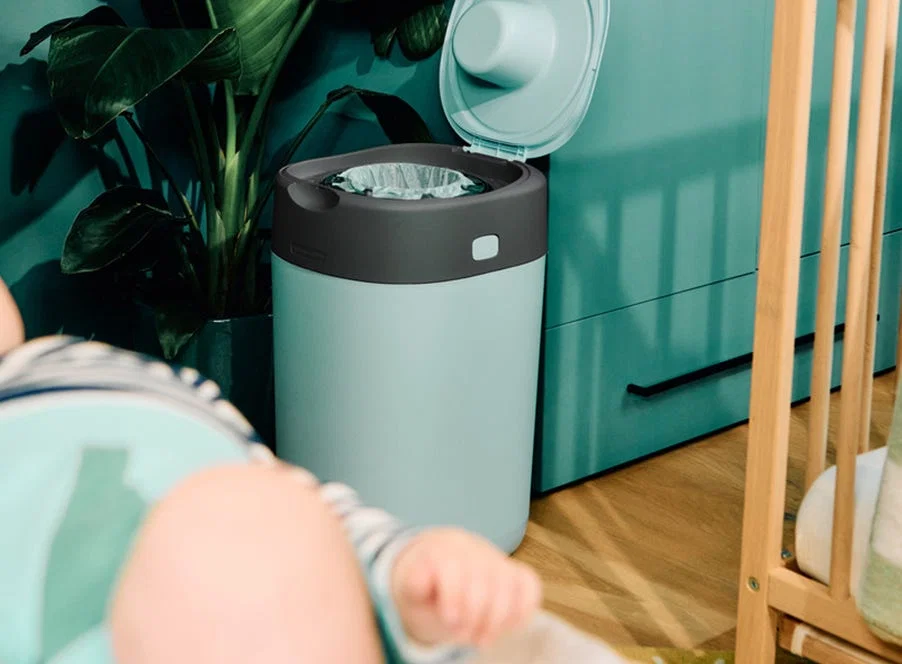
- Parents change 50–80 nappies weekly, safe disposal at home is key.
- Disposable nappies can go in general waste; biodegradable and cloth options are eco-friendlier.
- Nappy bins are optional but help control odours, germs, and make changes easier.
On average, new parents change between 50-80 nappies every week.
While we can’t help to reduce the number of nappies piling up, we can answer any questions you might have about disposing of dirty nappies at home.
Dirty nappies (obviously) hold a good deal of human waste and pose a potential health risk if anyone or anything encounters them.
There are a couple of things to consider before disposing of your baby’s nappy at home.
Are disposable nappies biodegradable?
In short, no. However, most household brands now offer biodegradable options.
Disposable nappies make up around 2-3% of all household waste in the UK and, like most household waste, will probably end up slowly decomposing in a landfill, or being burnt.
If you’re looking for something a little kinder to the planet but still quick and convenient, you could opt for specifically biodegradable nappies or ‘half-and-half- nappies’, which you dispose of as you would normal nappies.
Are cloth nappies better than disposable ones?
If you’d like an even more eco-friendly option, you could go full cloth and opt for washable nappies. This option will save you a lot of money in the long run, is often kinder on their sensitive skin, but requires more effort due to the added washing machine uses you’ll need.
Unless you’re organised/well stocked up, you’ll run the risk of getting caught without a clean nappy in an emergency so it can be helpful to carry disposable nappies as a backup.
If you’re struggling to decide which nappy feels right for you (and your baby), we’ve got you.
Can nappies go out of date?
No, not really.
Some nappy brands do have an expiry date on their packaging, but normally that’s due to the expiration of the colouring on the nappies, rather than the nappy itself.
Healthline recommends using nappies within two years of purchase, but there really isn’t much info out there to suggest that nappies go out of date, nor that using expired nappies is at all harmful.
Can nappies go in general waste?
Absolutely.
We’d recommend using a dedicated bin to make nappy disposal easier (and avoid too many trips to the outside bin), but you can put nappies in your general waste bin.
There are, however, a few steps you should take to make them a little safer.
If you can, dump the contents of your dirty nappy into the toilet, before wrapping it up in a nappy bag and throwing it away (we know it sounds like extra work, but all human waste really belongs in the toilet, the less waste that ends up in a landfill, the better!)
If you don’t have any nappy bags to hand, you can always wrap your baby’s nappy up in a Ziploc or plastic bag.
Do you need a nappy bin?
A nappy bin is not essential, but many parents find it helpful in terms of smell management and tidiness.
Nappy bins keep used nappies contained, help control odours and mean you don’t need to take rubbish outside after every change. This is totally personal preference.
Why parents love our nappy bins
Nappy bins can make day-to-day nappy changes feel simpler, cleaner and more manageable.
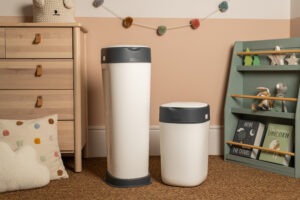
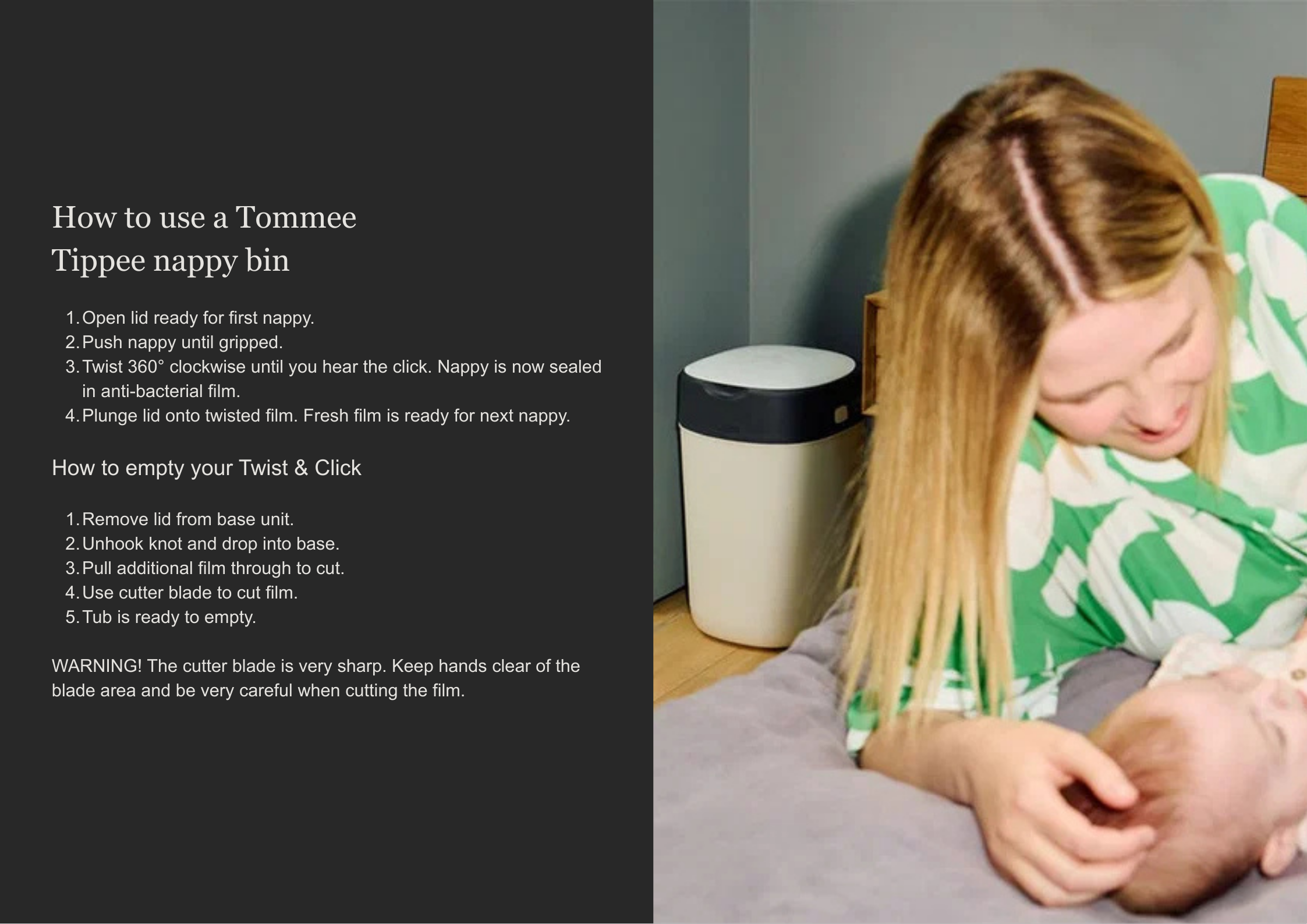
Our innovative Twist & Click nappy bin wraps every nappy individually for you. Its anti-bacterial film traps unpleasant odours, keeps nappies securely sealed away from curious hands, and kills harmful germs.*
Plus, you can easily stock up on our Twist & Click films, whether in cassette or refill, so you’re always prepared.
For many families, especially in the early weeks, this can make a big difference during those busy or sleep-deprived days, making them great baby shower or newborn baby gifts.
*Film is Antibacterial protected to inhibit bacterial growth by up to 99%. Antibacterial protection is present in the film, and not the other components of this product. Film is treated with a silver based biocide, tested to ISO 22196:2011. Please use biocides responsibly.
In South Africa, disposable nappies should be put in your general waste bin.
For many families, nappy bins are worth it for convenience and hygiene. They can reduce smells, make nappy changes more manageable and save you time overall when you’re busy looking after your baby. Some parents prefer using a regular bin with scented bags, especially if they take the rubbish out frequently.