

 free shipping on purchases over R500
If you’re a new parent, chances are you will have heard the term “sleep regression” from other parents or read about it in parenting forums.
In this blog post, we’ll explore what sleep regression is, why it happens, and provide tips on how to manage this challenging phase.
What is sleep regression?
Sleep regression refers to a sudden and noticeable change in your baby’s sleep pattern. Perhaps your baby is not going to sleep at their usual nap time or previously slept well, but suddenly begins to wake up frequently during the night and has difficulty falling back asleep.
This can be a frustrating time for both parents and baby – especially if you have been used to your baby sleeping well, but the good news is that it is a normal part of a baby’s development that will pass with time and can be managed with patience and the right strategies.
Causes of sleep regression
Now that we’ve covered what sleep regression is, let’s run through the most common contributing factors that can cause sleep regression in babies.
- Reaching new developmental milestones: Learning exciting new skills like rolling over, crawling, sitting up, and walking can all lead to changes in a baby’s sleeping pattern.
- Growth spurts: These can also make babies extra-hungry – a double whammy!
- Feeling unwell: Just like adults, if a baby is feeling under the weather their sleep is likely to be affected.
- Teething: Teething pain can lead to babies waking more frequently in the night and is a common cause of sleep regression.
- Changes in routine such as travelling: Anything that involves being in a new environment (going on holiday or starting at a new nursery) can potentially disturb a baby’s sleep.
Signs of sleep regression
Figuring out what exactly is going on with your baby’s sleep can be confusing, but you can look out for certain signs that might signal that your baby is going through a sleep regression phase.
Daytime sleep regression signs
- resisting or skipping naps
- taking shorter naps
- appetite changes
- being extra fussy and needing more cuddles
Nighttime sleep regression signs:
- struggling to fall asleep at bedtime
- waking more during the night
- waking up very early in the morning
Four-month sleep regression
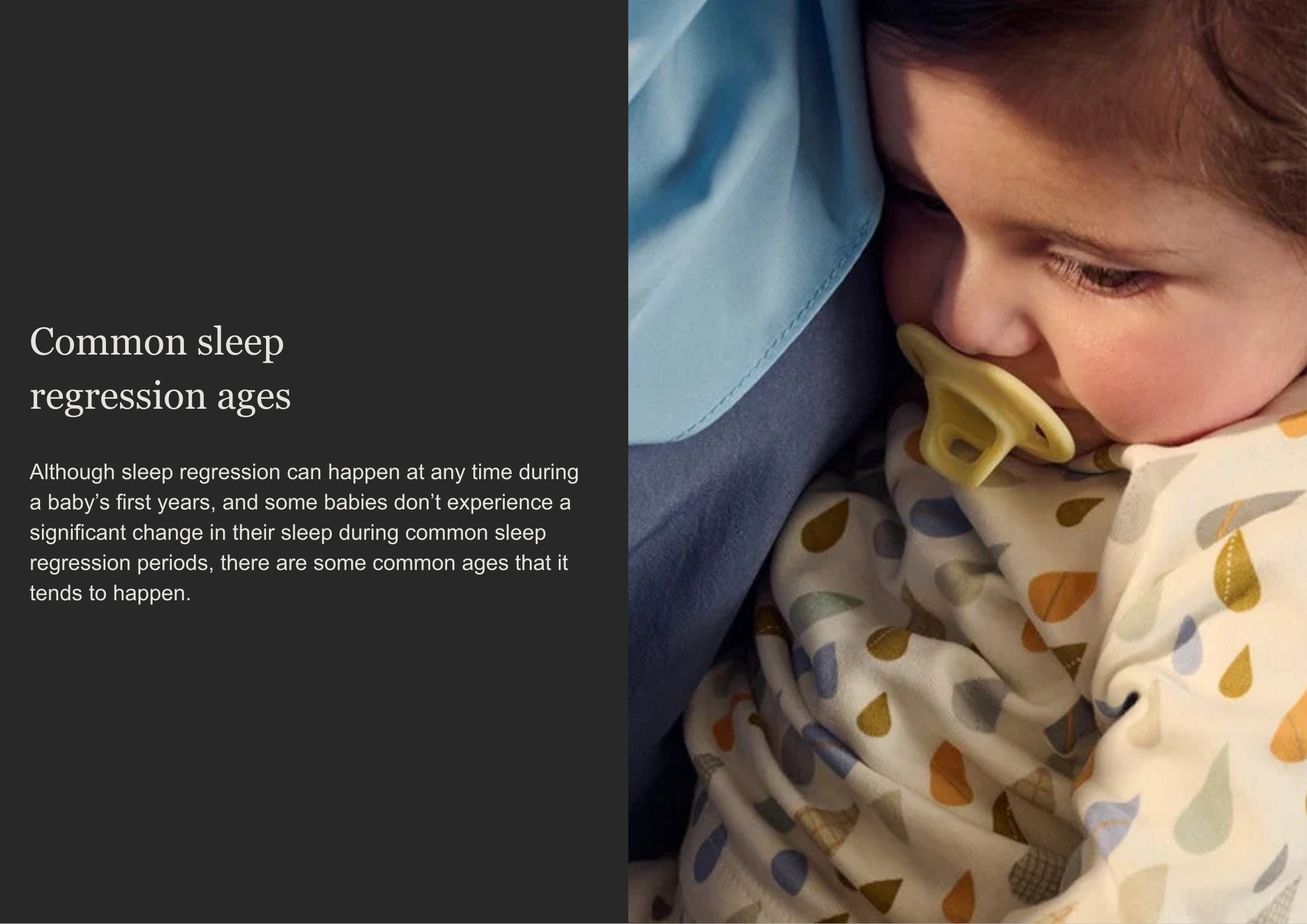
The first (and often the most difficult) sleep regression that lots of babies go through comes at around three or four months. During these months, a baby’s sleep matures, and they begin sleeping in stages and cycles, similar to an adult, and the changes that happen with the four-month sleep regression are permanent.
Some additional factors can also be behind sleep problems at this age: including teething pains, hunger linked to growth spurts and learning new things like how to roll over independently!
Six-month sleep regression
Lots of babies become more active and experience a growth spurt around the six-month mark. This can disrupt their sleep routine, and they may wake up more often during the night for a soothing cuddle.
Eight-month sleep regression
Separation anxiety often peaks at around eight months of age, and this, combined with becoming more mobile, teething, and dropping a daytime nap can cause another phase of sleep regression where your baby may wake up and look for reassurance from you during the night.
12-month sleep regression
Babies commonly go through a nap regression around 12 months of age. It can help to lengthen the amount of time they’re awake between naps at this stage and be aware that hitting developmental milestones (like learning to stand up or walk independently) may also have an impact on their sleep, although when exactly these milestones are met varies from one baby to the next.
18-month sleep regression
As your baby becomes a fully-fledged toddler, they’ll likely move to having only one nap in the middle of the day, and this may take some time for them to get used to. It’s also at this stage that babies reach big milestones related to language and gross motor skills, and they may start to test boundaries and fight sleep, simply because they want to be more independent.
24-month sleep regression
By the time they’re two years old, most babies need to be awake for longer to make sure that they’re tired enough to sleep well when bedtime comes around, and that can mean nap strikes and pre-bed protests. Team that with their molar teething coming in, and you’ve got a perfect storm for unsettled sleep.
Two-year-olds should get around 11 to 14 hours of sleep a day, including a daily nap of between an hour-and-a-half and two-and-a-half hours.
Tips for managing sleep regression
Reevaluate nap time
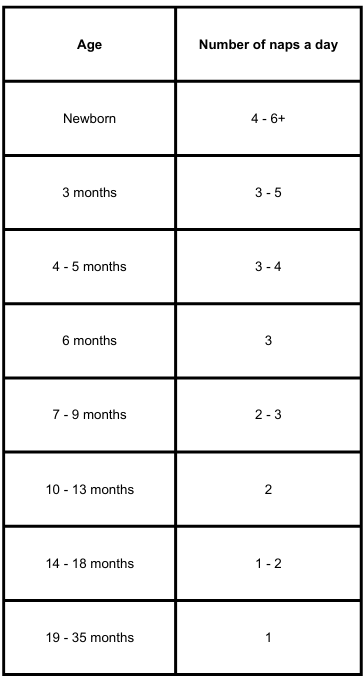
A child’s sleep needs evolve as they develop, and so should the number and length of the naps they take. You can use the chart below as a rough guide on how many naps your baby should be taking according to their age but remember that all babies are different!
Learn your baby’s sleep cues
Understanding your baby’s body language can help you get them down for a nap or sleep before they’re overtired. To know if they’re ready for a snooze, you can keep an eye out for your baby:
- yawning or stretching
- becoming quiet or not wanting to play
- becoming fussy
- rubbing their eyes or pulling their ears
Consider sleep training
As they grow babies can become dependent on help from their parents to fall asleep, which can lead to night waking and make it harder for them to go to sleep without you. Sleep training helps them fall asleep independently, but it’s not for everyone and the choice to do sleep training is a very personal one.
Allow time for self-soothing
If your baby wakes in the night and cries, it may help to give them a few minutes to see if they can settle themselves back to sleep before going to them, this is known as self-soothing.
Start winding down before bed
Getting into a good, age-appropriate routine with sleep can help both your baby and you as parents. This includes regular day naps, bedtimes, and consistent pre-sleep rituals like bathtime, putting on cosy sleepwear, reading a story, and relaxing time with no screens or distractions to help get your baby in the right mood for sleep.
Using a night light and a blackout blind can also help to create a cosy sleep environment.
Give them time to adapt and remember that the tough times won’t last forever
Don’t put too much pressure on yourself or your baby to adapt to new sleep routines straight away. Accept it will take some time to find a routine that works.
Dealing with sleep troubles can be, well, exhausting! But it’s important to remember that each sleep regression stage will pass and you’re not alone. Just do what’s best for you and your baby, try not to compare your experiences to those of others, and trust your parenting instincts – you’ve got this!
While “sleep regression” is a common term, it doesn’t mean every single baby will experience it in the exact same way. Here’s a breakdown:
- Variability: Some babies transition through developmental changes with minimal sleep disruption, while others experience more noticeable changes, and not all babies will have a clearly defined “sleep regression.”
- Developmental changes: Sleep regressions are often linked to periods of rapid development, such as changes in sleep cycles, motor skill development, and cognitive growth. These developmental shifts can naturally disrupt sleep patterns.
- Common occurrences: While not universal, baby sleep regressions are very common. These times are often linked to big developmental leaps, particularly around:
- 4 months
- 8-10 months
- 12 months
- 18 months
So, while not every baby will have a textbook sleep regression, almost all babies sleep patterns will change and be disrupted at times during their first few years of life.
In essence, while the term “sleep regression” is widely used, infant sleep is a dynamic process, and fluctuations are normal.