free shipping on purchases over R500
Newborn & Baby
Cleaning and sterilising your baby’s bottles
Cleaning and sterilising your baby’s bottles
Sterilising is one of the most important ways of protecting your baby so that they stay safe and healthy.
Using sterilising equipment to clean baby bottles goes beyond just basic cleaning, it gives your baby added protection against bacteria that can cause some nasty tummy bugs.
You should always sterilise all the parts of baby’s bottle, including the teat, hood and any connectors before you use it for the first time, whether it’s brand new or has been used before. You’ll need to sterilise after every use too. Anytime your bottle is used bacteria starts to grow in the milk residue, so sterilisation helps to remove all those nasty germs.
Here’s the lowdown on when, why, and how to wash and sterilise baby bottles.
How to wash baby bottles
Before they’re sterilised, baby bottles need to be washed.
To wash baby bottles, start by disassembling all parts and rinsing them in hot water to remove any breast milk or formula residue. Using a bottle brush and mild dish soap, thoroughly clean each part, especially inside the bottle and around the teat. Rinse everything again with hot water to remove soap, then sterilise.
How to sterilise baby bottles
Back in the day, parents used to boil up a pan of water on the stove to sterilise baby bottles, and that still works, but happily there are quicker, easier and safer ways today.
Always wash your baby bottles and teats in hot soapy water first to remove as much milk bacteria as possible prior to sterilisation. Most bottles can be cleaned in a dishwasher (top shelf only) however they could be contaminated with other food debris so washing bottles separately in hot soapy water is the best method.
You can safely sterilise baby bottles using:
- Hot water by boiling or steam sterilising in a microwave or electric steriliser
- Cold water and sterilisation liquid or tablets
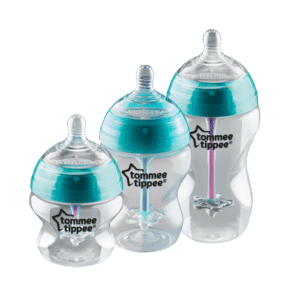
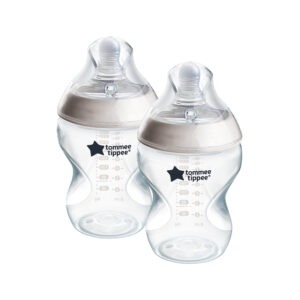
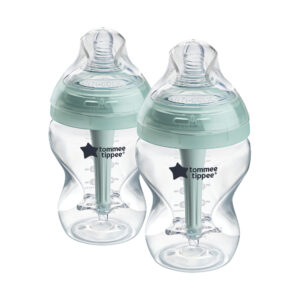
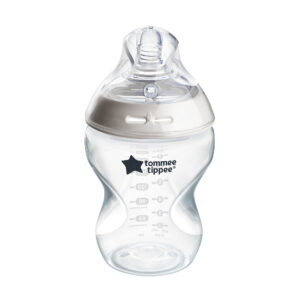
And did you know Tommee Tippee baby bottles are self-sterilising and can be steam sterilised in the microwave in just 3 minutes?
- Add 50ml of water (use the dotted line as a guide)
- Rest the assembled lid, ring and teat on top (but don’t fasten)
- Microwave for 3 minutes
Sterilisers, explained
Can I sterilise bottles in a microwave?
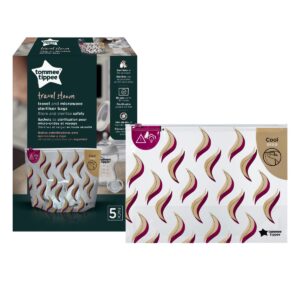
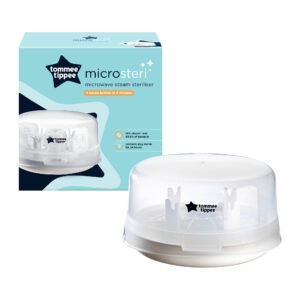
Yes! Sterilising baby bottles in a microwave really speeds things up. Microwave sterilisers heat water to generate steam which sterilises baby bottles, teats and feeding accessories. They’re small, compact and quick. They’re great for travelling too, as they’re more portable than plug-in electric steam sterilisers.
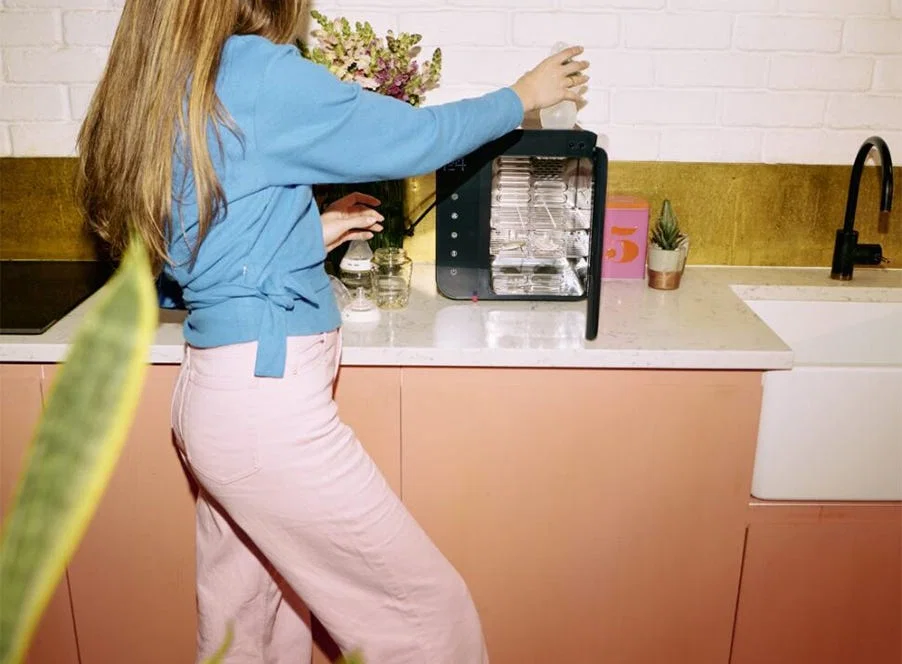
How to sterilise baby bottles in an electric steam steriliser
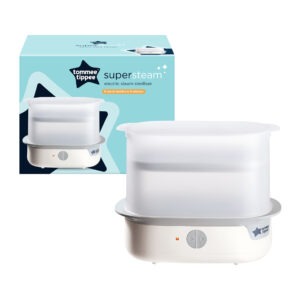
They’re a bit more expensive to buy and take up a bit of counter space, but electric steam sterilisers are really quick and convenient, especially when baby’s yelling for a bottle. Larger steriliser units are also good for sterilising bigger items such as breast pump parts.
Once your baby’s bottles and other pieces of feeding equipment are sterilised, you can store them inside, so they remain sterile for up to 24 hours. Some will even sterilise and dry baby’s bottles in one go.
How to sterilise baby bottles using cold water
If you don’t have any way of heating water to sterilise your baby bottles then cold water sterilising tablets or liquid are also effective at protecting against bugs and bacteria. This can be a great option if you’re travelling. Just make sure you follow the on-packet instructions carefully.
How to store sterilised baby bottles
Once you’ve sterilised baby’s bottles, you’ll want to use them to feed your baby straight away or store them safely, so they don’t pick up any germs or bugs. Reassemble the clean and sterilised bottles using the teat tongs provided with the steriliser, taking care not to touch the teats. Once assembled you can store those bottles for approximately 24 hours before you need to pop them back in the steriliser. Don’t leave sterilised baby bottles out on work surfaces as they will quickly become unsterile.
If you use a microwave or electric steam steriliser, you can store baby bottles inside for up to 24 hours if the lid remains closed. You can also keep sterile bottles in a sealed container in the fridge to help avoid any germs or bacteria. Just bear in mind that the container must be sterilised too.
*Tested against Coronavirus (tested to EN 16777) and Influenza H1N1.
Your baby’s immune system is not fully developed, which means they are more susceptible to illness, particularly diarrhoea and vomiting. Sterilising all your baby’s feeding equipment helps protect them from bugs, germs and bacteria that could make your baby sick.
We recommend sterilising all baby’s feeding equipment each time you use it for at least the first 12 months of your baby’s life.
It depends on the method of sterilisation, so always follow the manufacturer’s instructions. For microwave and electric steam sterilisers, baby bottles and teats can be sterilised in as little as 5 minutes. If you’re sterilising using boiling water, items should be submerged in the water for at least 10 minutes.
Yes you can. You’ll need to make sure that bottles, teats and other baby feeding items are submerged in boiling water for at least 10 minutes. If you use this method regularly the heat may damage some items more quickly so you may need to replace them more often.
No. Any remaining water inside the baby bottles will be sterile. Using a towel, no matter how clean it seems, to dry baby bottles runs the risk of introducing bacteria back inside baby’s bottles.
It’s not recommended to sterilise baby bottles in a dishwasher because not all dishwashers get hot enough to kill bacteria that may linger inside, and there’s a risk of contamination from other items. But you can use a dishwasher to clean baby’s bottles before you sterilise them. Just make sure you follow any instructions and place them on the top rack.
It’s recommended that anything coming into contact with baby and baby milk will need sterilising. Bottles and teats are most regularly sterilised, but you will also need to sterilise your breast pumps after every use and soothers, teethers and some baby toys can be safely sterilised.