free shipping on purchases over R500
From the moment your baby is born, they begin to learn through their senses.
Sensory play (any activity that engages sight, sound, touch, taste, smell, or movement) helps build nerve connections in the brain, supports language development, and lays the groundwork for skills like problem-solving, balance, and coordination.
What is sensory play?
Sensory play is any activity that stimulates your baby’s senses such as touch, smell, taste, sight, hearing, balance, and movement.
It’s how babies explore the world around them before they can fully use language or move around on their own two feet. From feeling different textures to hearing new sounds, sensory play helps build neural connections in their brain that support learning, memory, and growth.
This kind of play can help lay the foundation for important life skills like problem-solving, coordination, and even social development.
Whether it’s the squish of playdough, the sparkle of a foil blanket, or the sound of a rattle, sensory experiences support cognitive growth, emotional confidence, and physical strength.
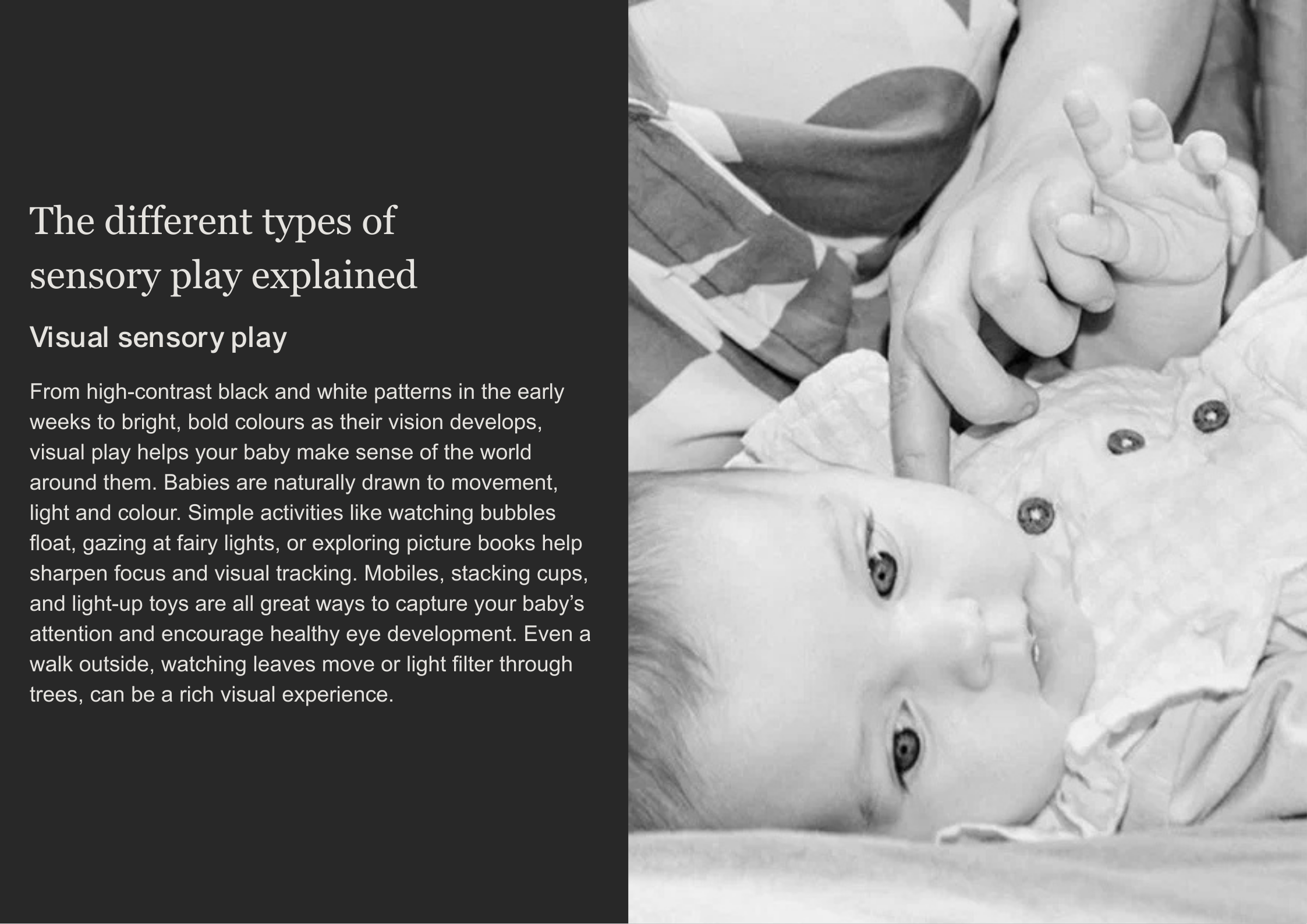
Auditory sensory play
Babies start to tune into the sounds of surroundings long before they learn to speak. Auditory play helps develop listening skills, language foundations, self-expression and emotional awareness. Rattles, musical toys, and gentle singing are soothing and can also help your baby notice differences in pitch, rhythm and volume. Try simple games like copying each other’s sounds or letting your baby explore the noise different household items make such as crinkling up paper, tapping spoons or shaking grains of rice in a container.
Tactile sensory play
Touch is one of the first ways babies explore and learn, and tactile play lets them get hands-on with the world such as feeling, squeezing, squishing and discovering different textures with their tiny hands and feet. Sensory bins filled with safe objects, squishy playdough, or even water play in the bath can all support your baby’s developing fine motor skills and coordination.
Olfactory (smell) and gustatory (taste) sensory play
Smell can trigger emotional responses and comfort, while taste exploration helps babies learn about food, texture, and their own preferences. Weaning from six months is a time that’s full of sensory opportunities. Different temperatures, flavours, and textures all help babies build positive food relationships, just make sure everything is age-appropriate and safe to explore.
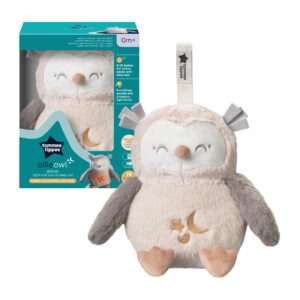
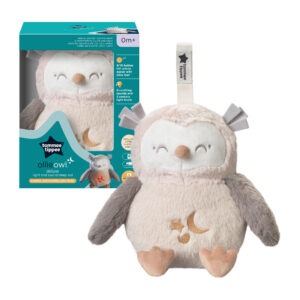
Yes, sensory lights can help babies sleep when used in the right way. Soft, gentle lighting with a warm glow and a slow-fading effect can help create a calm, predictable bedtime environment.
Using a nightlight can give your baby a visual cue that it’s time to wind down, without overstimulating them. For some babies, the presence of a dim light can also help reduce separation anxiety or night waking, especially if it’s paired with soothing sounds like white noise or a familiar lullaby.
A sensory room for babies is a calm, thoughtfully designed space that gently stimulates their developing senses. It might include soft lighting, soothing sounds, gentle textures, and safe objects to explore, and can help build a baby’s brain connections and motor skills. Whether at home, in a nursery or a healthcare setting, a sensory room can offer a safe, comforting environment where babies can learn through play and parents can tune into their child’s needs.