free shipping on purchases over R500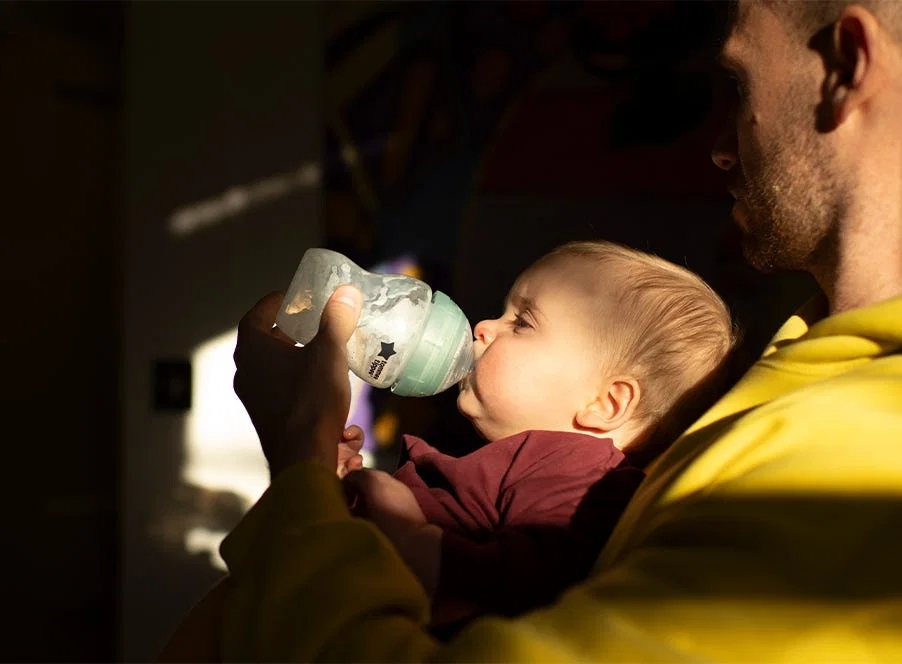
- There are key differences between colic and reflux, with colic symptoms being excessively crying without reason, becoming red in the face, clenching of fits and an arching back. Whereas reflux manifests through your baby being unsettled or coughing during feeds, vomiting during or after feeds, gulping or swallowing after burping or feeds, and not gaining weight as expected.
- To soothe colic, try regular winding, soothing them by rocking or cuddling, massaging, skin-to-skin contact, and using an anti-colic bottle and teat.
- To soothe reflux, keep your baby upright during feeding and after for at least an hour, if possible, feed your baby slowly, regularly wind them and make sure your baby sleeps on their back.
Colic and reflux are both very common in babies, and can manifest in the same way, making it difficult for parents to determine what’s wrong with their child. But we’re here to set the story straight.
Let’s delve into the difference between colic and reflux, so that you can give your baby the appropriate care and treatment they need. But first, let’s find out what each issue is.
What is colic?
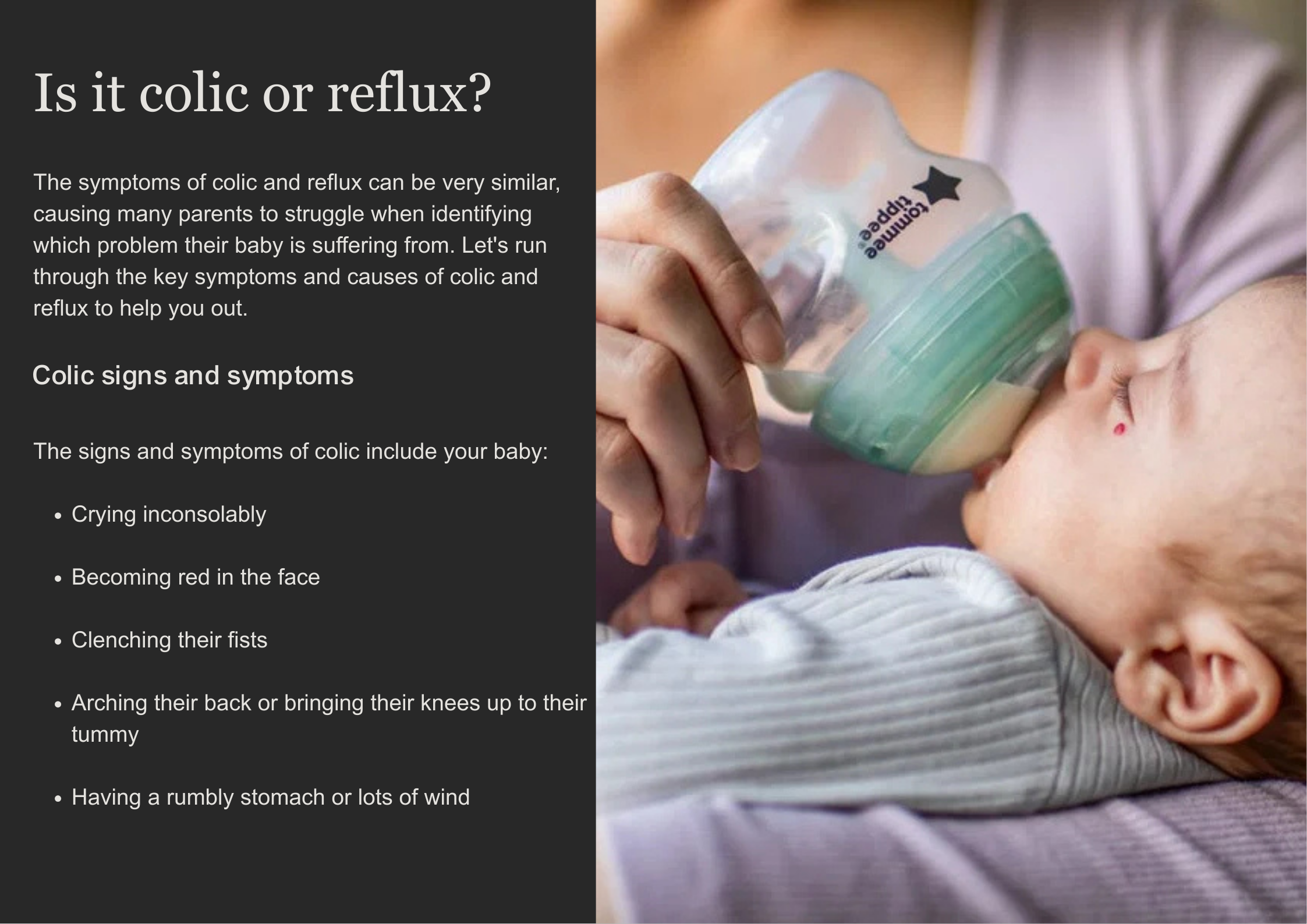
Colic refers to consistent, prolonged and intense crying in infancy without a known cause. Young babies can get it from around 2 weeks of age, and it can last until they reach 6 months old.
What is reflux?
Reflux, also sometimes known as posseting or spitting up in babies, is a common condition where the contents of the stomach move back up into the esophagus, causing uncomfortable, heartburn-like pain, and sometimes vomiting out of a baby’s mouth or nose.
Babies usually start getting reflux before they’re 8 weeks old. We recommend contacting your GP if your baby gets reflux for the first time after they’re 6 months old.
What are the common causes of infant colic?
The exact cause of colic in babies is unknown, but it’s thought that it may be caused by digestive upsets like a build-up of gas due to:
- Allergies
- Intolerances
- Baby’s digestive system not being fully developed
- An imbalance of gut bacteria
In some cases, it may also be caused by overstimulation because it can understandably take newborn babies time to adjust to life outside the womb.
How to treat colic
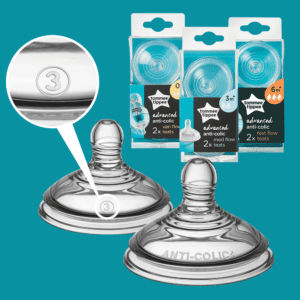
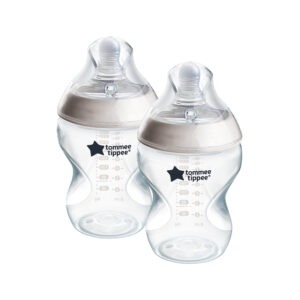
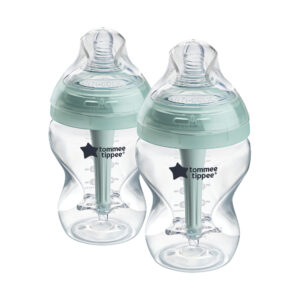
Regular winding, soothing them by rocking or cuddling, massaging, skin-to-skin contact, and using an anti-colic bottle can all help to soothe colic. There’s also the option of anti-colic teats which use marked flow rates and wide latch areas to relieve colic symptoms. If you need further advice, check out our dedicated guide to helping a baby with colic which goes into more detail.
When does colic stop?
As much as the crying can be distressing, it’s very common in infants and not something to worry about. And the good news is that colic doesn’t last forever, it’s symptoms usually ease by the time a baby is 5-6 months old.
What is silent reflux?
Sometimes babies can show signs of reflux, but don’t spit out milk or visibly be sick. Instead, they swallow it, which is known as silent reflux. In cases of silent reflux, it’s less obvious to parents and carers what’s happening, but still painful and unpleasant for the baby.
How to treat reflux
Babies with reflux who are happy, healthy, and gaining weight usually don’t need to see a doctor, but there are a few techniques you can try at home to help soothe and settle their symptoms.
Keep your baby upright during and after feeding
Feeding your baby in an upright position and keeping them like this for as long as possible (ideally at least 1 hour) after feeding means that gravity can help keep the milk down and prevent it from coming back up. If your baby is breastfed and experiencing reflux, it may help to give a different breastfeeding position a go.
Feed your baby slowly
Practising paced feeding, feeding your baby slowly and giving formula-fed babies smaller feeds more often may help to prevent their tummy from becoming too full.
Wind regularly
Burping your baby regularly during and after feeds will help to release any trapped wind that may be making them uncomfortable.
Make sure they sleep on their back
You should always place your baby on their back – not their front or side – for when they go to sleep, and you shouldn’t raise the head of their cot or Moses basket. As they grow, they’ll start to roll from their front to their back independently, then you can leave them to find a comfortable position on their own.
Keep a diary of feeds and symptoms
Getting into the habit of recording your baby’s mealtimes and symptoms in a diary form can be helpful for the doctor to review if your baby is struggling to gain weight.
When does reflux stop?
The good news is that reflux doesn’t last forever. While it can be painful to see your baby in discomfort, it usually stops by the time a baby is 1 years old. However, if you’re worried about your baby at any stage, you shouldn’t hesitate to ask your health visitor for advice and support. You should also see your GP if your baby still has reflux after their 1st birthday.
There are clear differences between colic and reflux, it’s just about knowing what to look out for so you can care for your baby in the right way. If you found this article helpful, discover our advice on the 333 colic rule.
There are slight differences to the crying patterns in colic and reflux which may help you determine which your baby is experiencing. Here’s a look at both:
- Colic: Usually intense, predictable crying during certain times of the day (commonly evening), but no unusual changes to feeding or growth.
- Reflux: Often occurs during or after feeds, and may be accompanied by spitting up, arching the back, coughing, and signs of discomfort when lying flat.
To differentiate between colic and GERD (gastroesophageal reflux disease), you’ll find that colic involves intense, unexplained crying with no other abnormal signs, whereas babies with GERD will usually cry when feeding, frequently spit up or vomit, arch their back, refuse to feed and may not be putting on the weight as they should be.
Yes, it’s possible for a baby to have both colic and reflux at the same time, with some babies showing signs of colic-like crying and fussiness when having reflux as both conditions cause discomfort. However, it’s important to remember they’re not caused in the same way.
If you suspect your baby has reflux, we recommend you opt for a thickened (anti-reflux) formula as they’re more likely to stay down due to being heavier. But you should always consult with your healthcare provider when switching formulas, especially if your baby’s reflux is severe or persistent.
Many parents confuse colic with reflux, worry that both mean their baby has a serious illness, or that they’re caused by unhealthy feeding habits. However, colic is almost always harmless and temporary, and reflux is very common and usually improves as their digestive system matures.