

 free shipping on purchases over R500
- Adjusting to parenthood can be tricky when your focus is with your newborn.
- There are things you can do to ensure the transition is smoother, including being prepared, establishing a routine, trialling and erroring to find what works for you both, not putting pressure on yourself, and taking the time for self-care.
Becoming a parent is a life-changing experience that brings joy, love, and a whole new set of responsibilities. While it’s an incredible journey, it can also be overwhelming and challenging.
Adjusting to life as a parent requires adapting to new routines, managing sleep deprivation, and finding a balance between caring for your new baby and taking care of yourself.
Let’s explore some practical tips and read advice from other parents to help you navigate the transition into parenthood, so you have all the advice needed to thrive in your new role.
Becoming a new parent
During the postpartum period, many parents naturally feel highly emotional and unable to think clearly. You may feel snappier and more irritable, and these feelings can be heightened further by a lack of sleep and new parenting stresses that you’ve never experienced before.
But it doesn’t have to stay this way.
Let’s run through some tips for new parents who’re adjusting to parenthood.
Be prepared
From baby clothes to feeding equipment and baby-proofing your home, there’s a lot to think about when you’re expecting a baby so it can be overwhelming. It’s a good idea to buy what you’re really going to need first, then any extras can be purchased when your baby has arrived.
Don’t forget that it can help to ask your friends and family members about which newborn essentials they found most useful. If you’re worried about cost and caring for the planet, why not look into buying certain baby products second-hand?
Establishing a routine
Settling into a comfortable newborn routine may take some time, and that’s okay!
Babies thrive on routine, so establishing a schedule can be helpful for both you and your little one. This can include a regular feeding and sleeping schedule, as well as designated playtimes and naptimes. A routine can help you feel more in control and can provide a sense of structure to your day.
Feeding choices
Many new parents feel nervous about feeding their baby at first, and the process of getting into a steady feeding routine – whether you breast, bottle, or combination feed – often takes a little trial and error. How you choose to feed your baby is very much a personal choice that should be decided based on what’s best for you both.
Bonding with your baby
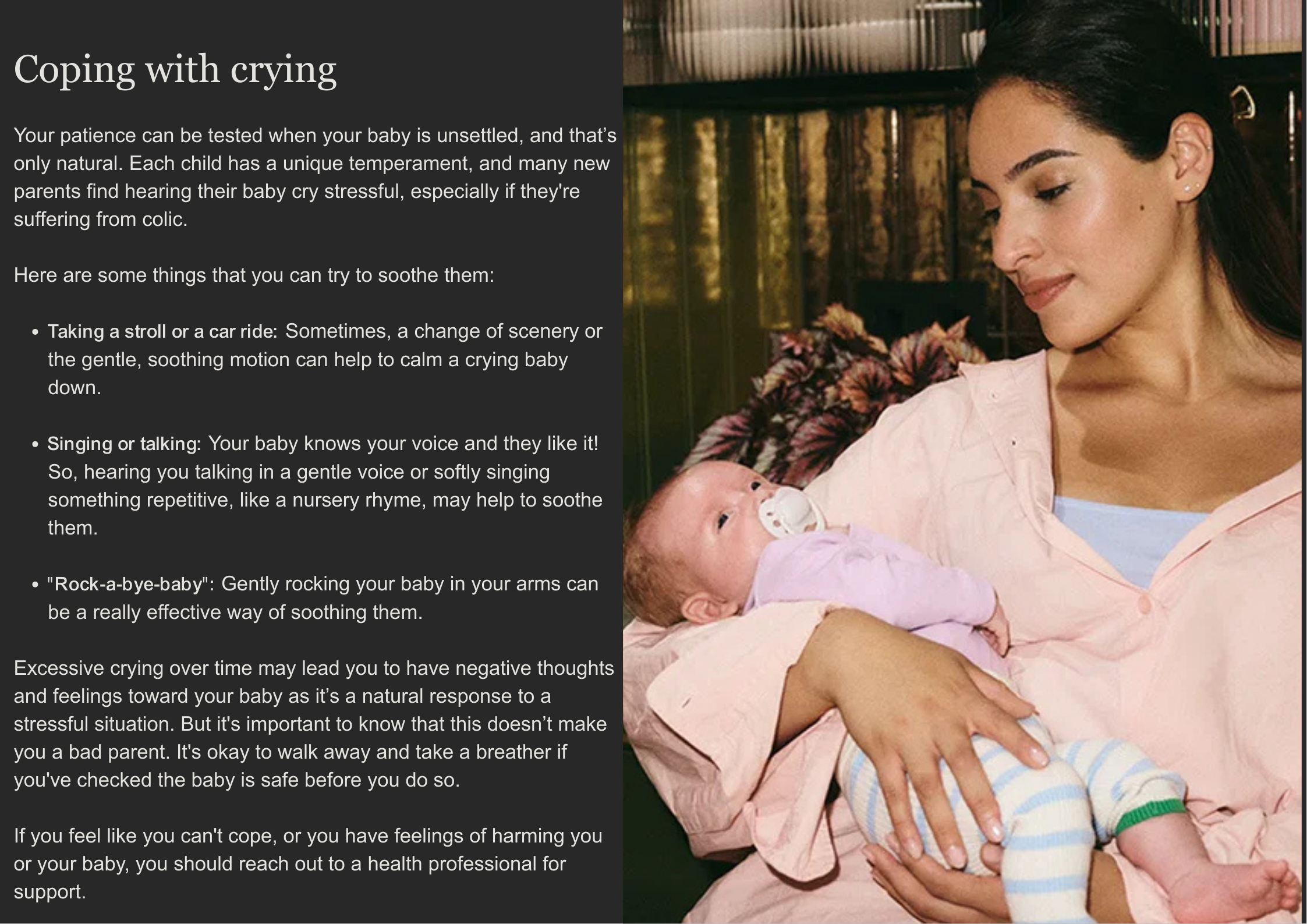
Before becoming a parent, many people think that they’ll bond with their baby instantly and automatically. But for many reasons, it may take days, weeks or even months before you develop a connection with your baby. This is common and doesn’t mean that you’re not a ‘good’ or ‘natural’ parent.
If you’re worried about your bond with your baby, you should seek professional advice on anything you can do to make it easier.
Mess around the house
You need a lot of stuff to care for a new baby, so it’s natural that all new parents face the challenge of maintaining a clean and organised home. But having a messy house doesn’t equate to being a bad parent or failing at the new role. It’s so important to avoid comparison and remind yourself that what you see on social media is often an idealised version of reality.
If your house is a little more unorganised than it was before your baby arrived, that’s totally fine. You’re likely prioritising your baby’s needs, which is where your focus should be.
Some people can cope with a little clutter around the house, while others find it distracting and feel that they can’t relax. If you’re the latter, try to organise just one area at a time or set aside 15 minutes at the end of the day for a quick tidy-up. And remember, don’t be afraid to ask for help.
Body image
Changes in how you look and feel physically after birth may also impact your self-esteem, but it’s important to resist pressure from ‘perfect’ parents and postpartum bodies that you may see on social media.
Self-care – whatever it looks like for you – and light exercise can help boost your confidence and mood. Try to eat well, get enough sleep, and take breaks when needed, while remembering that everyone is unique, and every journey is different. If you and your baby are healthy, that’s all that matters.
Juggling priorities
Managing everything that’s on your plate when you have a new baby can be overwhelming. It can help to prioritise and let go of some tasks temporarily. Instead of trying to tackle everything at once, break your to-do list down into smaller, manageable tasks.
Remember, it’s okay if you don’t get everything done at once. Try to be kind to yourself at every stage and celebrate every small win.
Relationship dynamics
Once you become a parent, you’ll find that your relationships with others are constantly changing.
Whether it’s your relationship with your partner, wider family, or friends, remember to take things gradually and give yourself and others plenty of time to adjust to life with your new arrival. Some plans may have to be put on hold, and your social life may change, but you’ll soon begin to see how everyone fits into the new picture.
Becoming a parent is also a great way to meet new people. Taking a NCT course, becoming a member of an online community or a local meet-up group can help you feel less isolated because you can bond and share how you’re feeling with like-minded people who’re going through the same things as you.
Managing advice for new parents from others
The endless advice you receive as soon as you announce your pregnancy can make you second-guess your abilities and question yourself.
Some advice will be helpful, and some won’t be. It’s best to trust yourself as the expert on your baby. You know them best of all! So, give yourself time to learn as you go, and don’t use the expectations of others to benchmark your idea of success.
Embracing the journey
It’s easy to get caught up in the idea of being a perfect parent, but there’s no such thing.
Parenthood is a journey that’s full of ups and downs, and it’s important to set realistic expectations for yourself and your baby while remembering that it’s okay to make mistakes.
It can help to understand that parenthood is full of unexpected twists and turns, and your little one will grow and change quickly. When you’re struggling, it can help to remind yourself that the hard times won’t last forever and that you’re doing a great job.
Try to enjoy the journey and focus on the present moment, rather than striving for perfection.
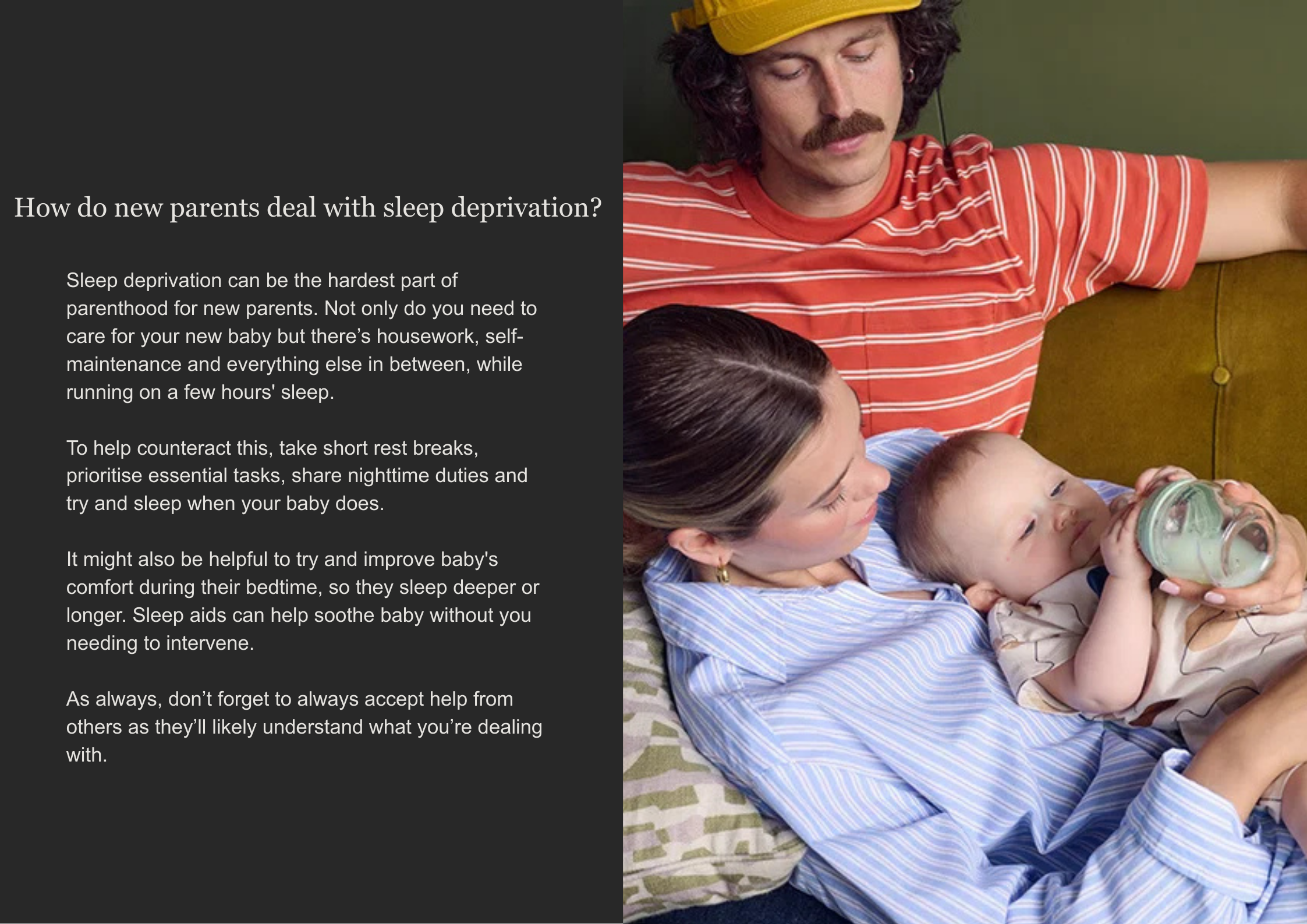
Managing advice for new parents from others
The endless advice you receive as soon as you announce your pregnancy can make you second-guess your abilities and question yourself.
Some advice will be helpful, and some won’t be. It’s best to trust yourself as the expert for your baby as you know them best of all. So, give yourself time to learn as you go, and don’t use the expectations of others to benchmark your idea of success.
Embracing the journey of parenthood
It’s easy to get caught up in the idea of being a perfect parent, but there’s no such thing.
Parenthood is a journey that’s full of ups and downs, and it’s important to set realistic expectations for yourself and your baby while remembering that it’s okay to make mistakes.
It can help to understand that parenthood is full of unexpected twists and turns, and your baby will grow and change quickly. When you’re struggling, it can help to remind yourself that the hard times won’t last forever and that you’re doing a great job.
Try to enjoy the journey and focus on the present moment, rather than striving for perfection.
Asking for help
Seeking support from others can be hard, and many new parents feel a sense of shame if they struggle to cope with their new baby. But so many people find the adjustment difficult, and with the right support, you can thrive!
Even something as simple as speaking to a supportive and non-judgmental friend or family member or asking people to share the load of housework when they visit you and your baby can lighten the load.
If you feel that your mental health is being negatively impacted by new parenthood, you should always reach out to your GP or health visitor for support. They’ll be able to help you and signpost you in the direction of local organisations that can get you back to feeling like yourself again.
How to maintain personal identity after becoming a parent
To maintain your personal identity once you become a parent, you’ll need to make sure you map out time for yourself, filled with spending time with those you love or doing things that you love.
You also need to make sure you’re taking care of yourself, whether it’s taking the time for a bubble bath or getting some fresh air. Nurturing relationships, hobbies and setting healthy boundaries are all part of prioritising you.
Tips for carving out ‘me time’ as a new parent
Finding the time for yourself can be tricky when you have a newborn baby to take care of, but it’s important you still fill your own cup for a happy and healthy mindset. Here’s some tips for setting aside time for you:
- Short, regular breaks are much easier to maintain
- Use nap times to your advantage
- Create a simple but beneficial self-care routine
- Share the load of responsibilities with others
- Always say yes to help
- Multitask so you get enjoyment while undergoing everyday tasks
- Join a parent group so you can chat to likeminded individuals
- Let go of perfection
Parenthood isn’t a straightforward process, nor is it plain sailing. But by giving yourself grace and seeking the support of those around you, you’ll be able to alter your mindset into a positive place, so you can focus on caring for you and your baby.