

 free shipping on purchases over R500
Thinking about making positive changes as an individual to look after the environment can be overwhelming but try not to be so overwhelmed that you end up doing nothing.
Remind yourself that one small step will give you the momentum for the next one. When your little one sees you taking sustainable steps, they’ll follow!
We know that the arrival of a baby brings with it a lot of stuff, some of which may not be great for the environment. So, because parents need a lot of things to care for their little ones, we thought it would be a good idea to pull together some sustainable choices and small, realistic adaptations that you can make long the way.
Infant Feeding
Breastfeeding
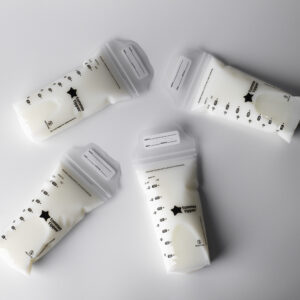
The WHO and UNICEF recommend that babies should be exclusively breastfed for the first six months of their life, and for parents who are looking to reduce the carbon footprint of their child-raising journey, breastfeeding is a good, cost-effective choice.
In fact, in 2019, a research study at Imperial College of London showed that breastfeeding for six months saves 95-153kg of CO2 per baby.
Muslin cloths
Muslin cloths are a parent’s (and a baby’s best friend). Used to clean up baby sick, spills, and dribble, they’re light, soft, breathable, absorbent, quick-drying, and machine washable.
Try to look for organic cotton muslins. These are produced without any synthetic chemicals, are hypoallergenic and have had much less impact on the environment than the non-organic kind. Some organic cotton is also GOTS-certified. This means that you can be sure it’s been organically produced by a socially responsible and environmentally friendly company.
Weaning
Silicone baby bibs
When you begin your weaning journey, silicone bibs can be really handy. They’re easy to clean without the need for the washing machine, and they’re durable, too. So, they can be handed down or passed on from one little one to the next.
Bamboo tableware
In the past, plastic has been the go-to material for brands who make baby tableware. But other, more eco-friendly options are now available, such as bamboo.
Bamboo (unlike plastic) is biodegradable and doesn’t contain any of the toxins and chemicals used to make some kinds of plastic. It’s also very durable, and a natural, renewable resource – no fossil fuels required!
Puree your own fruit and veg
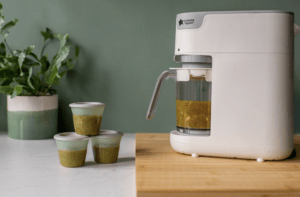
Making your own baby food using a blender means less single use plastic packaging to deal with. Most supermarket-bought baby food now comes in plastic pouches that can be difficult to recycle, rather than the old school mini glass jars.
For some culinary inspiration, you can check out our recipes here.
This is also a great step to take because…
- When it comes to homemade baby food, you can serve up nutritious and delicious meals and broaden your baby’s taste palate by experimenting and pureeing whichever fruits or vegetables you like!
- Making your own baby food is generally cheaper, particularly if you buy and cook the in bulk and the stored in the freezer.
- When making homemade food, you don’t have to wonder how long it was sat on the supermarket shelf. Plus, it tastes fresh, and you know exactly what your baby is eating.
If you have some outdoor space at home and are feeling green fingered, you could try growing some veggies yourself!
Bath & Change time
Reusable nappies
If you’re concerned about the environmental impact of your child’s nappies, reusable ones might be a good option for you…
- While making the swap to reusable nappies is a great, eco-friendly option, it can be an expensive one. Instead of buying them brand new, there is a large market of perfectly usable second-hand options available.
- When purchasing reusable nappies, look for ones that’re made using plant-based materials like cotton, bamboo, and hemp, and avoid nappies that’re made using synthetic fibers because they can shed microplastics and contribute to pollution. Non-organic cotton should also be avoided because it requires fertilisers, pesticides, and lots of water to grow.
- Try to air-dry your reusable nappies once you’ve washed them, rather than using a tumble dryer.
- If you plan on having more babies in the future, reusable nappies are great because they can be stored away and used again.
Baby wipes
Never flush baby wipes down the toilet and try to use water-based biodegradable wipes.
If you want a reusable option, using cloth wipes is a brilliant alternative to disposable baby wipes. They can be used, washed and used again.
Baby toiletries
When buying toiletries and skincare products for your baby, try to look out for options with all-natural ingredients and 100% recyclable packaging.
Clothes
Choose organic fibers when buying baby clothes
This one is important, especially for babies that have sensitive skin. Not only are there so many environmental benefits to using organic cotton (it isn’t grown using fertilisers and pesticides), but organic cotton is also considerably softer on delicate skin than non-organic.
Plus, even though they may cost more initially, organic cotton garments last a lot longer than standard cotton, helping you a few pennies in the long run if you want to use the clothes again for another baby in the future.
Buy second-hand baby clothes
It’s common knowledge that little one’s grow out of their clothes at record speed and buying brand-new pieces for each age stage can get pricey! That’s why buying second-hand clothes from other parents, charity shops. It saves perfectly good clothing from going into landfill and is kind to your purse too!
Once your baby has outgrown some of their clothes, start the cycle again and donate them to charity shops or sell them to other parents to get some cash for a mini wardrobe refresh.
If you have pieces that you particularly love or that have sentimental value and you plan on having another little one in the future, box them up and keep them!
Washing baby clothes
You should always wash baby clothes (whether store-bought or second hand) before your little one wears them for the first time. When you do wash your little one’s clothes, follow these steps to save energy and a little cash…
- Try to buy clothes of a similar colour and material so that you can easily chuck items all in together and save mountains of time by reducing the number of separate washes you need to do.
- If you can, try and invest in an eco-friendly, non-biological detergent. These are designed especially for sensitive skin and come free of dye, colouring or perfumes.
- Wash at 30/40°C. This is certainly hot enough to get rid of any stains or dirt in clothes, without costing you and the environment too much! The only exception here is when your little one is ill or a garment is heavily soiled, a higher temperature could be beneficial to blast any tougher germs.
- Try to air-dry your laundry rather than using a tumble dryer.
Recycle old clothes that’re damaged
For any outgrown clothes that are too damaged to sell or donate, make sure that instead of binning them and having them end up in landfill, you recycle them.
Recycling
Try to teach your little one about recycling from an early age and help them to know which waste goes into which bin. Explain this to them in simple terms ‘if we put this glass jar into the recycling bin, it will be made into a brand new one, again and again!’.